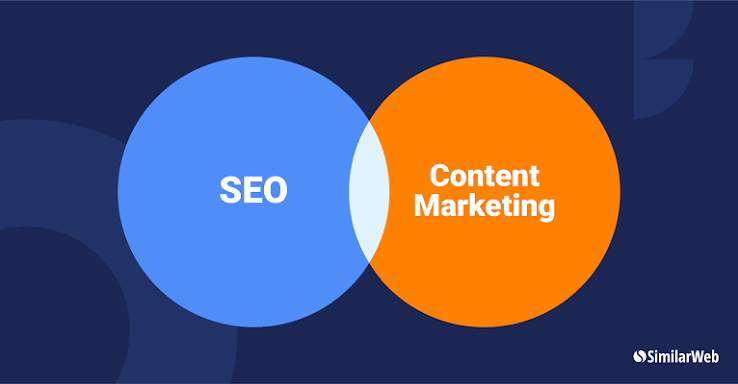


Search is changing rapidly as users discover information through traditional search engines, AI-powered experiences, and social platforms. Brands need a broader SEO strategy focused on useful content, authority, search intent, and sustainable visibility.
SEO in 2026: What Brands Need to Know About Search
SEO has never been simply about adding keywords to a webpage.
Search has evolved from a list of blue links into a much broader discovery experience. People now find information through traditional search engines, AI-powered search experiences, social platforms, videos, forums, and other content channels.
For brands, this means the traditional approach to SEO needs to evolve.
Ranking for a handful of keywords is no longer enough. Brands need to build visibility around topics, demonstrate expertise, answer real questions, and create content that deserves to be discovered.
Here are some of the most important areas brands should focus on.
1. Search Intent Matters More Than Keywords
Keywords are still useful, but understanding why someone is searching is even more important.
Consider the search:
“Best social media agency for startups”
The user may be researching agencies and comparing options.
Now consider:
“How much does social media marketing cost?”
The user is likely looking for information before making a decision.
These searches have different intentions and should not be served by identical content.
Common search intents include:
- Informational
- Commercial
- Transactional
- Navigational
Understanding intent helps brands create content that actually answers what users are looking for.
2. Build Topic Authority
Instead of creating one article for every isolated keyword, brands should build clusters of related content.
For example, a digital marketing website could create a central topic around:
Social Media Marketing
Then support it with articles about:
- Social media strategy
- Instagram marketing
- Influencer marketing
- Social commerce
- Paid social
- Community building
- Social media analytics
This creates a stronger topical structure.
Internal links can then connect related articles and help users discover more useful information.
3. Helpful Content Still Matters
Search algorithms can become increasingly sophisticated, but the fundamental principle remains simple:
Create content that genuinely helps people.
A strong article should answer the user’s question clearly.
Avoid writing long articles simply because longer content appears more comprehensive.
Instead, focus on:
- Accuracy
- Original insights
- Clear explanations
- Useful examples
- Relevant data
- Practical recommendations
- Strong structure
A 1,000-word article that solves a problem can be more valuable than a 3,000-word article filled with repetition.
4. AI Is Changing Search Behavior
AI-powered search experiences are changing how people discover information.
Users may ask complex questions and expect a synthesized answer rather than visiting several websites individually.
This makes content quality increasingly important.
Brands should create content that is:
- Specific
- Well structured
- Factually accurate
- Easy to understand
- Supported by expertise
- Focused on real questions
Clear headings, concise explanations, useful examples, and strong topical coverage can make content easier for both people and search systems to understand.
5. Originality Is Becoming More Valuable
The internet already contains enormous amounts of generic information.
Publishing another article that simply summarizes what everyone else has already written isn’t necessarily a strong SEO strategy.
Brands can differentiate their content through:
- Original research
- First-hand experiences
- Expert opinions
- Case studies
- Campaign insights
- Proprietary data
- Customer examples
For an agency like BuzzTribe, this can be especially powerful.
Instead of only explaining what marketing is, share what your team has learned from actually working on campaigns.
6. Technical SEO Still Matters
Content is important, but technical foundations cannot be ignored.
Brands should maintain:
- Fast loading pages
- Mobile-friendly layouts
- Clean URLs
- Proper internal linking
- XML sitemaps
- Crawlable pages
- Correct canonical tags
- Structured data where relevant
- Secure HTTPS implementation
A technically strong website makes it easier for search engines to discover and understand content.
7. Don’t Ignore Visual and Video Search
Search isn’t limited to webpages.
People increasingly discover information through images, videos, and social platforms.
Brands should consider optimizing:
- Images
- Video titles
- Video descriptions
- Captions
- Alt text
- Social content
- YouTube content
A strong SEO strategy should therefore consider the entire content ecosystem.
8. Measure Visibility Beyond Rankings
Keyword rankings are useful, but they don’t tell the whole story.
Also monitor:
- Organic traffic
- Search impressions
- Click-through rate
- Conversions
- Leads
- Engaged sessions
- Top landing pages
- New keywords
- Returning visitors
The ultimate goal isn’t simply to rank.
It’s to attract the right audience and create meaningful business outcomes.
Final Thoughts
SEO in 2026 is less about chasing individual keywords and more about building a trustworthy digital presence.
Brands need useful content, strong technical foundations, topical authority, original insights, and an understanding of how people discover information across different platforms.
The brands that approach SEO as a long-term content and visibility strategy will be better positioned for sustainable growth.
SEO isn’t just about being found. It’s about being worth finding.