

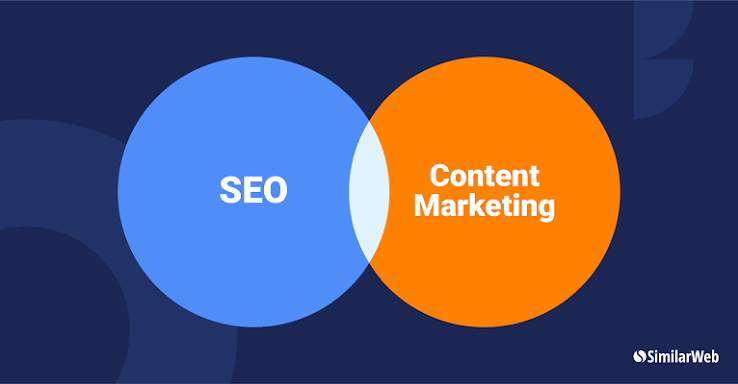
SEO helps people discover your content, while content marketing gives them a reason to stay, engage, and take action. When the two strategies work together, brands can build stronger organic visibility and long-term business value.
How SEO and Content Marketing Work Better Together
SEO and content marketing are often treated as separate marketing activities.
One team focuses on rankings.
Another focuses on blogs, videos, social posts, and campaigns.
But the two disciplines work best when they operate together.
SEO helps brands understand what people are searching for.
Content marketing helps brands answer those needs with useful information.
Together, they create a system for attracting, educating, and converting audiences.
1. SEO Starts With Understanding the Audience
Good SEO isn’t just about finding high-volume keywords.
It starts with understanding the audience.
What problems are people trying to solve?
What questions do they ask?
What information do they need before making a decision?
For example, someone searching for:
“social media agency pricing”
may be comparing service providers.
Someone searching for:
“how to create a social media strategy”
may be learning how the process works.
The content strategy should reflect those different needs.
2. Use Search Data to Find Content Opportunities
Search data can reveal what audiences care about.
Brands can identify:
- Frequently searched questions
- Related topics
- Long-tail keywords
- Comparison searches
- Informational queries
- Commercial queries
These insights can then become content ideas.
For example:
Search question:
How often should a brand post on social media?
Content idea:
“How Often Should Brands Post on Social Media?”
The result is content that has a clear audience need behind it.
3. Create Content Around Topics, Not Just Keywords
A common mistake is creating one article for every keyword.
A better approach is to build topic clusters.
Imagine the main topic is:
Digital Marketing Strategy
Supporting articles could include:
- SEO Strategy
- Social Media Strategy
- Paid Media
- Content Marketing
- Influencer Marketing
- Email Marketing
- Conversion Optimization
These articles can connect through internal links.
This creates a more useful experience for visitors and a clearer topical structure.
4. Content Needs a Purpose
Not every article needs to sell something directly.
Content can serve different purposes.
Awareness Content
Introduces a problem or topic.
Educational Content
Helps the audience understand something.
Consideration Content
Helps users compare options.
Conversion Content
Encourages action.
For example:
“What Is Influencer Marketing?”
could attract someone at the awareness stage.
While:
“How to Choose the Right Influencer Marketing Agency”
may attract someone closer to making a decision.
A healthy content strategy includes both.
5. Create Content That Deserves to Rank
Ranking should not be the only objective.
Ask:
Is this content actually better than what already exists?
Improve it with:
- Original examples
- Expert insights
- Practical steps
- Data
- Visuals
- Case studies
- Clear explanations
Generic content is easy to produce.
Useful content requires more thought.
That difference can become a competitive advantage.
6. Internal Linking Connects the Content Ecosystem
Internal links are often overlooked.
Suppose you publish an article about:
Social Media Strategy
Within it, you could link to:
- Influencer Marketing
- Social Commerce
- Paid Social
- Community Building
Those links help readers explore related topics.
They also create a logical relationship between pages.
Think of your website as a network rather than a collection of independent articles.
7. SEO Doesn’t End When the Article Is Published
Publishing content is only the beginning.
Track how the article performs.
Look at:
- Impressions
- Clicks
- Rankings
- Organic traffic
- Engagement
- Conversions
If an article receives impressions but very few clicks, the title and description may need improvement.
If it receives traffic but doesn’t generate engagement, the content may not match the visitor’s expectations.
SEO gives you data that can improve the content over time.
8. Repurpose SEO Content Across Channels
One strong article can become multiple content assets.
For example, a blog about:
Social Media Marketing Trends
can become:
- LinkedIn post
- Instagram carousel
- Short-form video
- Newsletter
- Infographic
- Podcast discussion
- Sales presentation
This is where SEO and broader content marketing become especially powerful.
One idea can support multiple channels.
Final Thoughts
SEO helps brands understand demand.
Content marketing helps brands respond to that demand.
When the two are connected, brands can create content that is discoverable, useful, and aligned with business goals.
The best SEO strategy isn’t about producing the most content.
It’s about creating the right content for the right audience at the right stage of their journey.